Picasso in Kiruna 1965 and Today: An Afternoon of Lectures and Conversations
8 November 2025
Lectures and talks
Floor 2, in english
Follow the seminar live on youtube by clicking here.
In connection with the opening of A Hole in the Real: Dora García, Pablo Picasso and the Legacy of Mining, Kin has invited one of the world’s foremost experts on Picasso, Manuel Borja Villel, former director of Museo Reina Sofia in Madrid, to lecture on Guernica (1937), the artist’s most famous work. Art historian Annika Öhrner has delved into the archives of Moderna Museet, Nationalmuseum, Norrbotten Museum and LKAB, where she has uncovered new stories about the unique art mediation initiative that the Picasso exhibition in Kiruna represented. The artist Dora García shares her reflections on mining, political art, and Picasso as a symbol of an outdated artistic ideal, which underpin her work in the exhibition.
14:00 Annika Öhrner, Associate Professor of Art History: An Ongoing Revolution: Picasso in Kiruna (1965)
When the Picasso exhibition was created for Kiruna in 1965, several forces converged: local, national, and not least, international. Under the motto “An Ongoing Revolution” and with the help of parallels drawn between the city of Kiruna and Picasso himself, ideas about his art spread far down into the mine canteens, into schools, and to the public. In this presentation, Annika Öhrner recounts how this grand project was prepared, realized, and received in Kiruna’s brand-new town hall, within the time and space of Kiruna and Sweden in the mid-1960s.
14:45 Manuel Borja-Villel, former director of Museo Reina Sofia: How can we understand Guernica?
There is no painting in twentieth-century art history that has been interpreted in as many different ways as Picasso’s Guernica (1937). Nor is there any painting that has become a symbol for so many causes: the Spanish Republic’s struggle against fascism during the Civil War, the resistance of Spaniards in exile during the Franco regime’s “long night,” protests in the United States against the Vietnam War, and today’s demonstrations against the war in Gaza, among others.
But what role do museums play in this context? What kinds of exhibitions can accommodate so many—and such conflicting—interpretations? How should one respond when an artwork that has come to symbolize numerous protests and uprisings risks turning into a consumer object?
15:45 The artist Dora García introduces her works in the exhibition
For A Hole in the Real: Dora García, Pablo Picasso, and the Legacy of Mining, Dora García wanted to work with polysemous words and paradoxical concepts, such as “mining,” which can apply equally well to “a deep, often arduous and persistent effort to extract something valuable, such as information, knowledge, or understanding, from a vast, hidden, or complex source”; “hole,” which mainly means an absence, but can also be a powerful point of attraction that devours everything (as in “black hole”: even light cannot escape it), or “timeline,” something we imagine as unidirectional and finite, but which can be multidirectional and infinite, curved, crumpled, so that different points in time converge, coincide, and influence each other.
16:30 Conversation with the Speakers
The seminar is organized with the support of Kultura Kiruna.
Link to the livestream on youtube.
Head image: Femme nue, Picasso
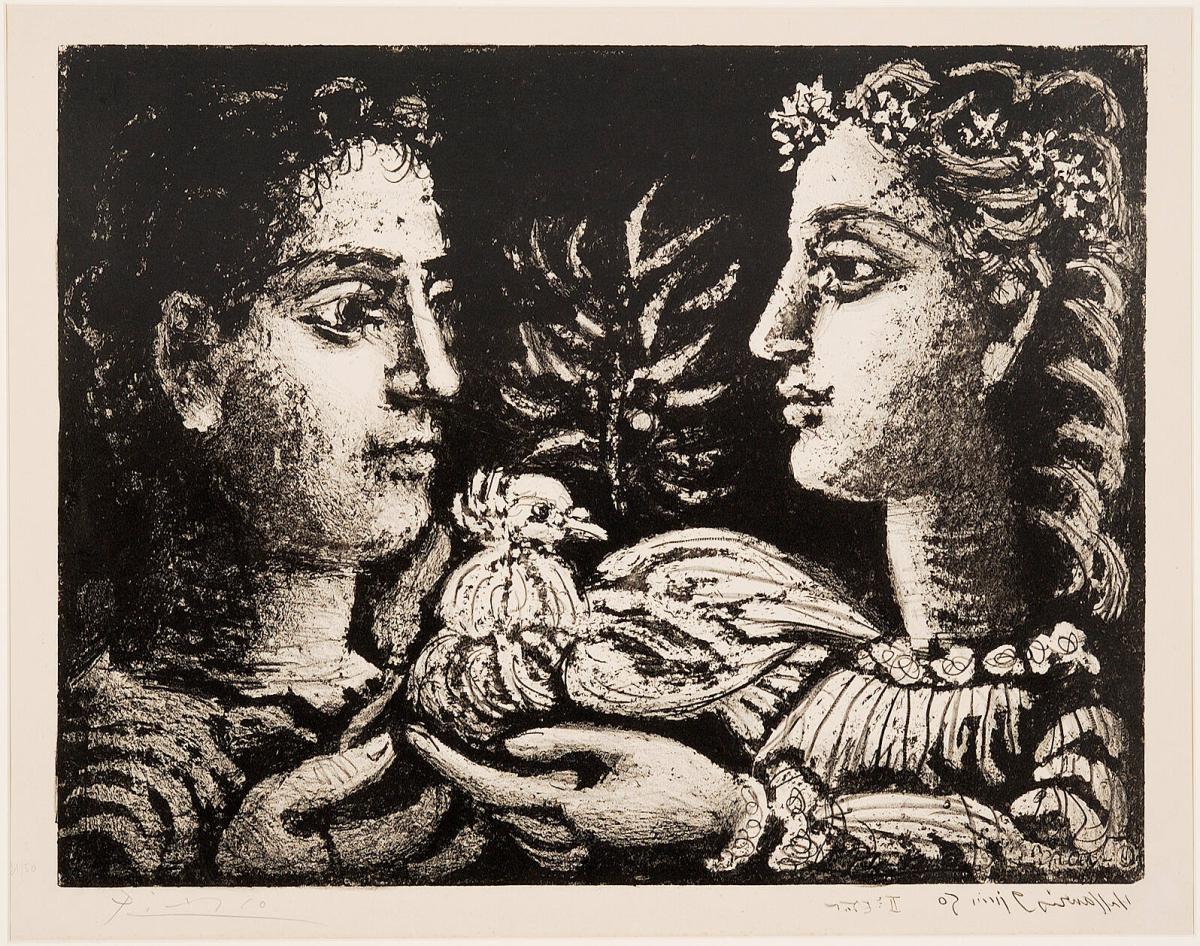
Image 2: Jeunesse, Picasso
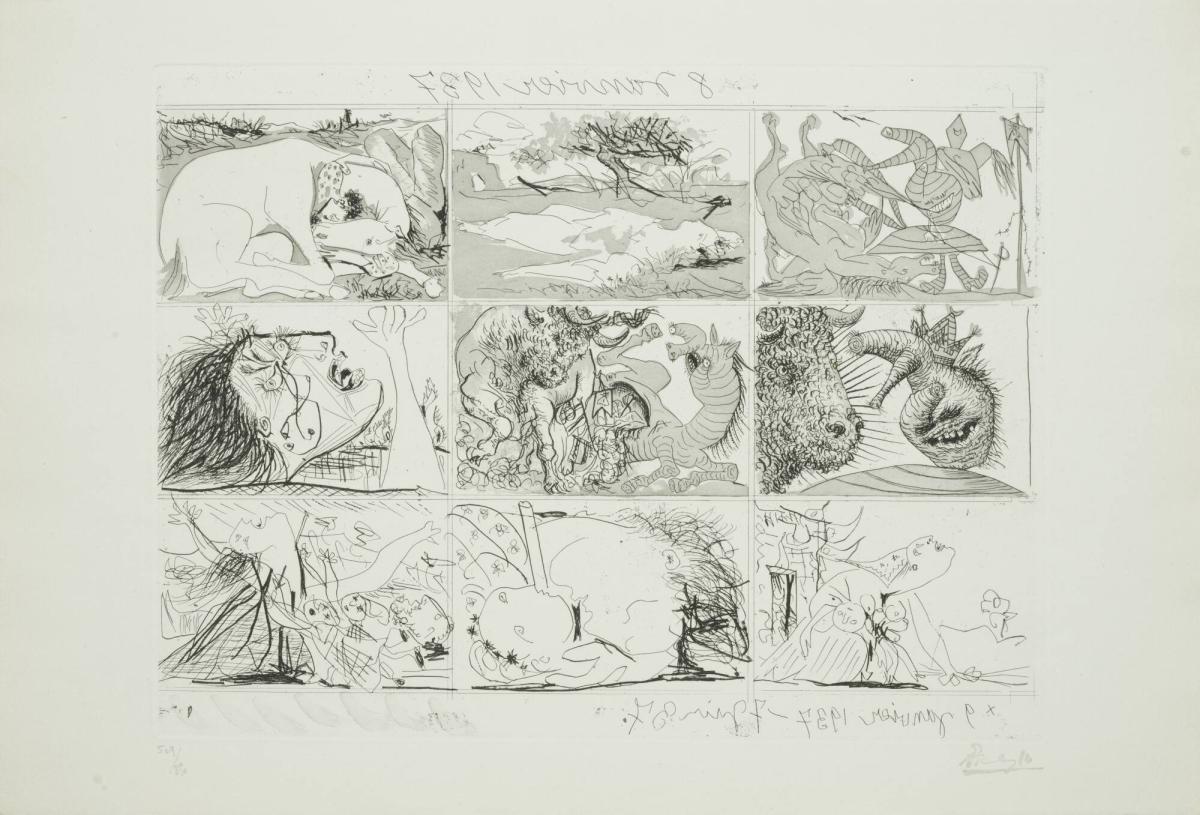
Image 3: Sueno y Mentira de Franco, Picasso