The Use of Photography: Borg Mesch, Hans-Olof Utsi
16 April—18 October 2026
Exhibitions
Floor 3
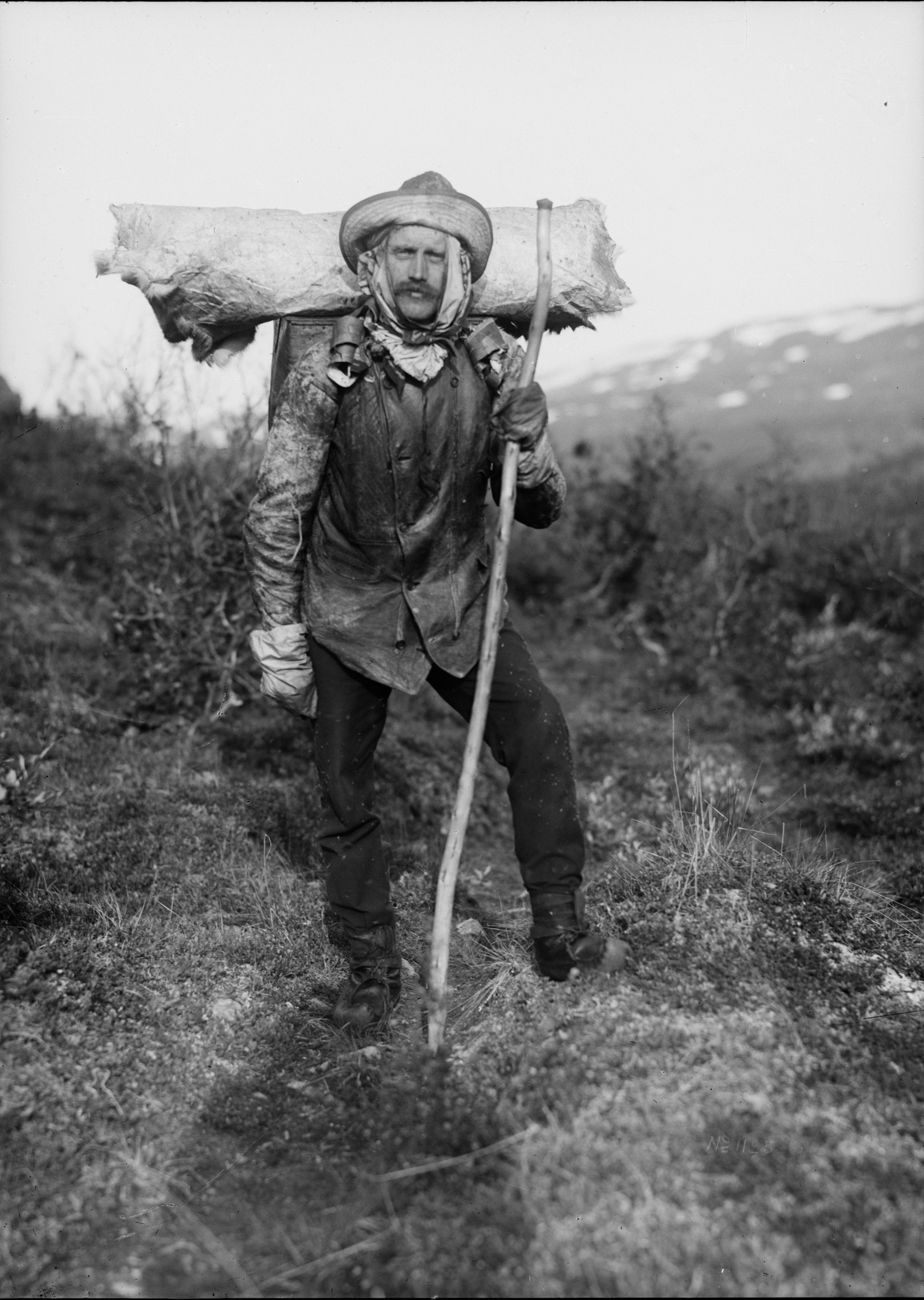
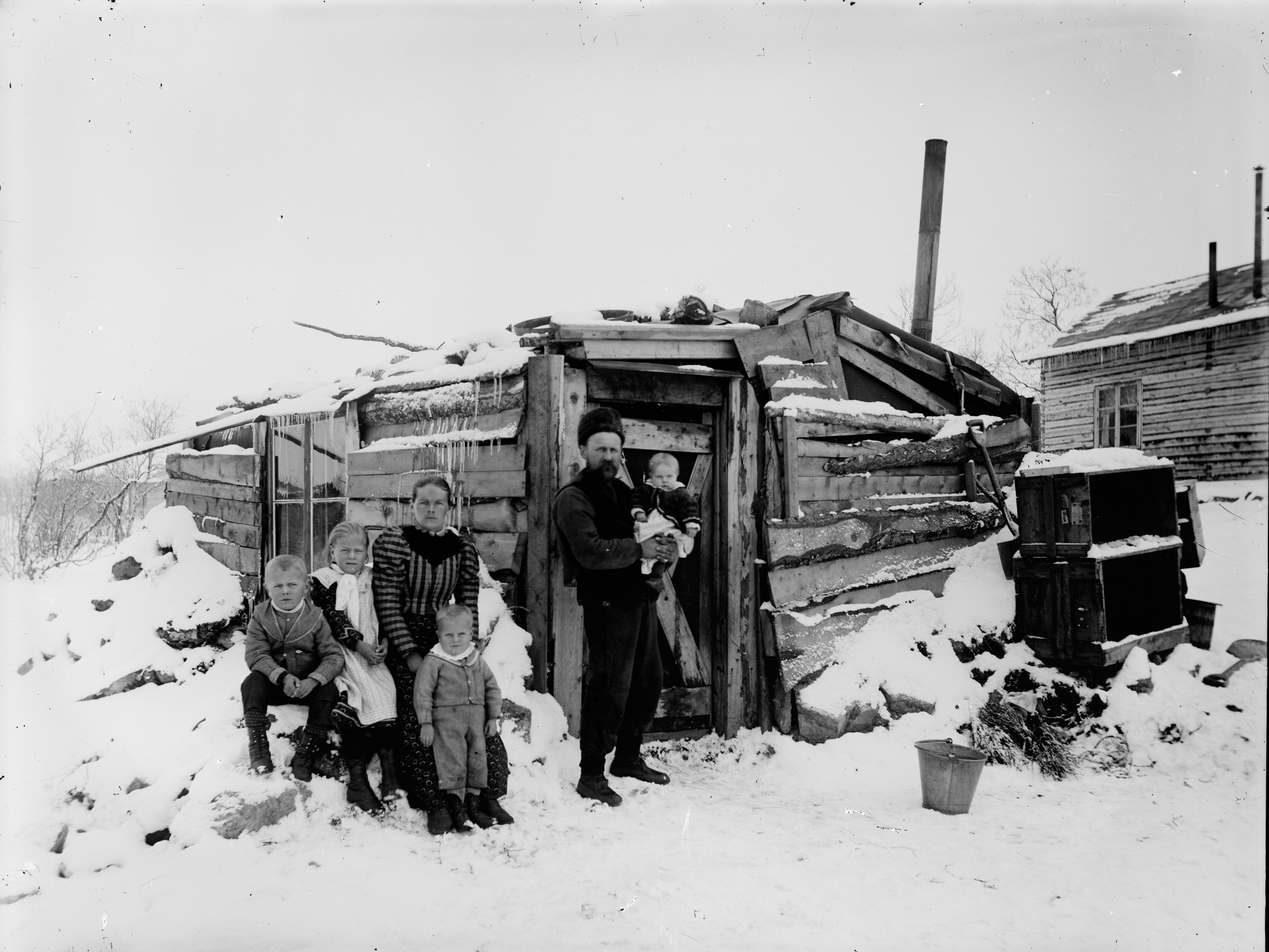
At the heart of this exhibition are roughly sixty photographs by Borg Mesch’s (1869–1956), depicting Kiruna’s earliest years—the construction of the railway to the Atlantic coast, the magnificent northern landscape, and the Sámi Indigenous population. Variations in technique, size, and framing suggest how his images have been used in different periods and contexts.
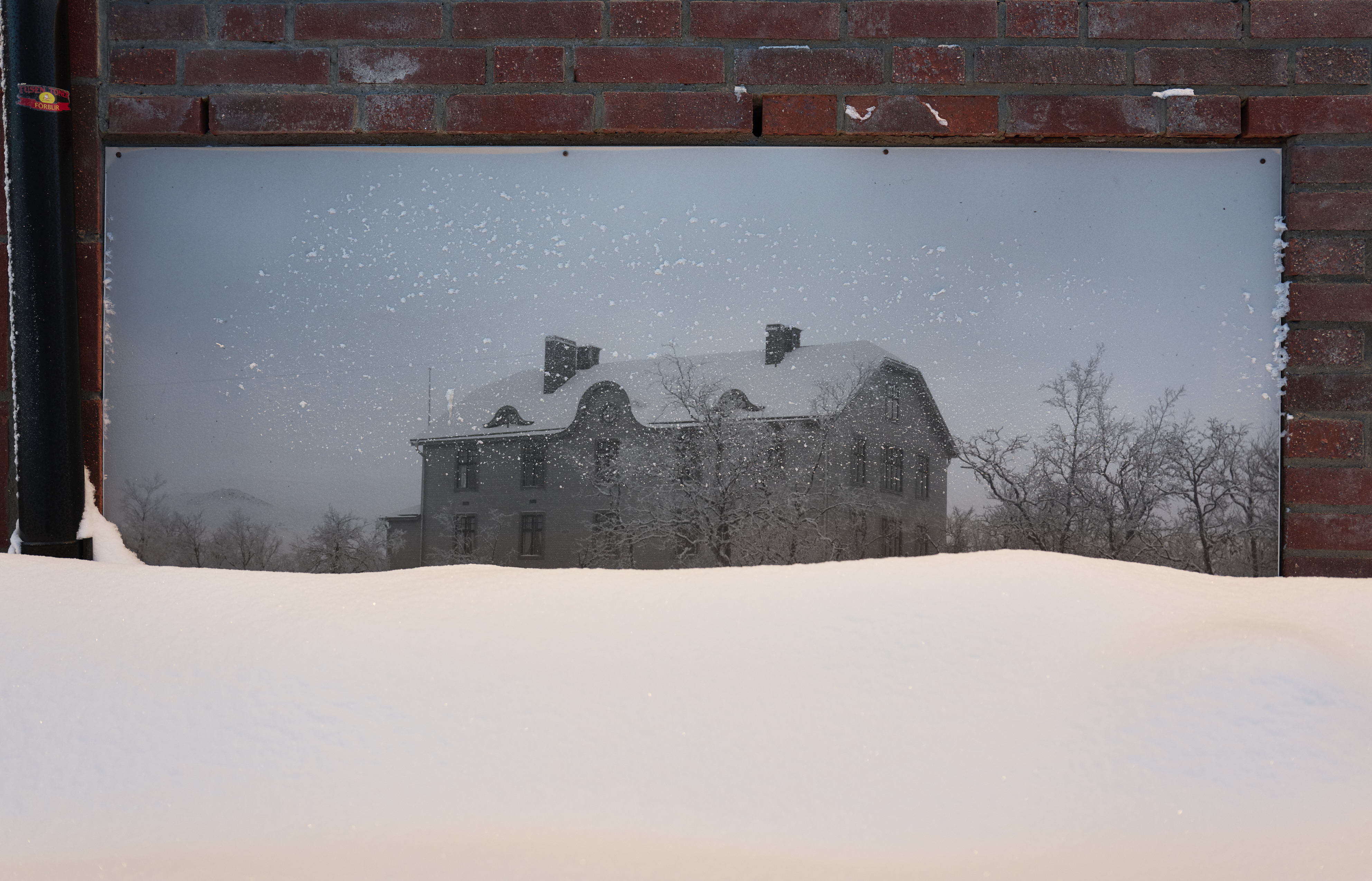
Kiruna-based photographer Hans-Olof Utsi has documented how Mesch’s images are used throughout the city: they appear on the façade of the swimming hall, in hotel lobbies, and in nursing homes.
The well-travelled Borg Mesch moved to Luossavare in 1899 and established his own studio when Kiruna was founded the following year. The studio was not his first; like many photographers, Mesch was a true entrepreneur and had already operated studios in Gävle and Landskrona. Kiruna’s combination of pioneering spirit and striking natural landscapes suited him well, and his life and work are closely intertwined with the city’s development. He portrayed railway workers—often in group photographs that required only one plate but produced multiple copies—tourists, the city’s growing population, and, not least, the Sámi.
Among his regular clients were LKAB and the Swedish Tourist Association. At the end of the 19th century, northern Sweden had become an exotic destination for the educated middle classes, and Mesch, who was a nature-loving adventurer, supplied material for the association’s yearbook, but also produced postcards and albums featuring his mountain views. He moved in various social circles and was so well known in Sweden that in 1929, Bonnier book publishing released the title Fjällfotografen Borg Meschs äventyr bland Lapplands fjäll (The Mountain Photographer Borg Mesch’s Adventures in the Mountains of Lapland).
Today, Borg Mesch’s photographs offer a unique insight into how Kiruna emerged in the tension between local needs and national economic interests. In doing so, they also reflect the colonial projects that shaped the north at the time. With images from Kiruna Municipality’s image collection, the exhibition conveys how Borg Mesch’s photographs have been used over the years but also provides an insight into how the view of photography as a historical document and aesthetic object has shifted. The selection and compilation were carried out by Niclas Östlind, professor of photography at HDK-Valand, University of Gothenburg, together with Hans-Olof Utsi.
The Use of Photography: Borg Mesch, Hans-Olof Utsi is part of Kin’s multi-year project Borg Mesch: A Photographer in Sápmi during the Colonial Period, which takes its starting point in the life and work of photographer Borg Mesch. The project examines how photographic archives continue to influence and shape contemporary understandings of identity, land rights, and cultural heritage in Sápmi. With the aim of creating new works within their respective fields, seven artists working in the field of photography have been invited to immerse themselves in Mesch’s work. In addition to Utsi and Östlind, the artists Geir Tore Holm, Mikhail Tolmachev and Norrakollektivet are also participating. The project is being carried out in collaboration with Kiruna Municipality’s Culture and Education Administration, which manages an extensive collection of Mesch’s photographs. Borg Mesch: A Photographer in Sápmi during the Colonial Period is part of Kin’s multi-year thematic thread The Critical Zone.
See the opening program the 16th of April here.
Image 1: Borg Mesch
Image 2: Hans-Olof Utsi